
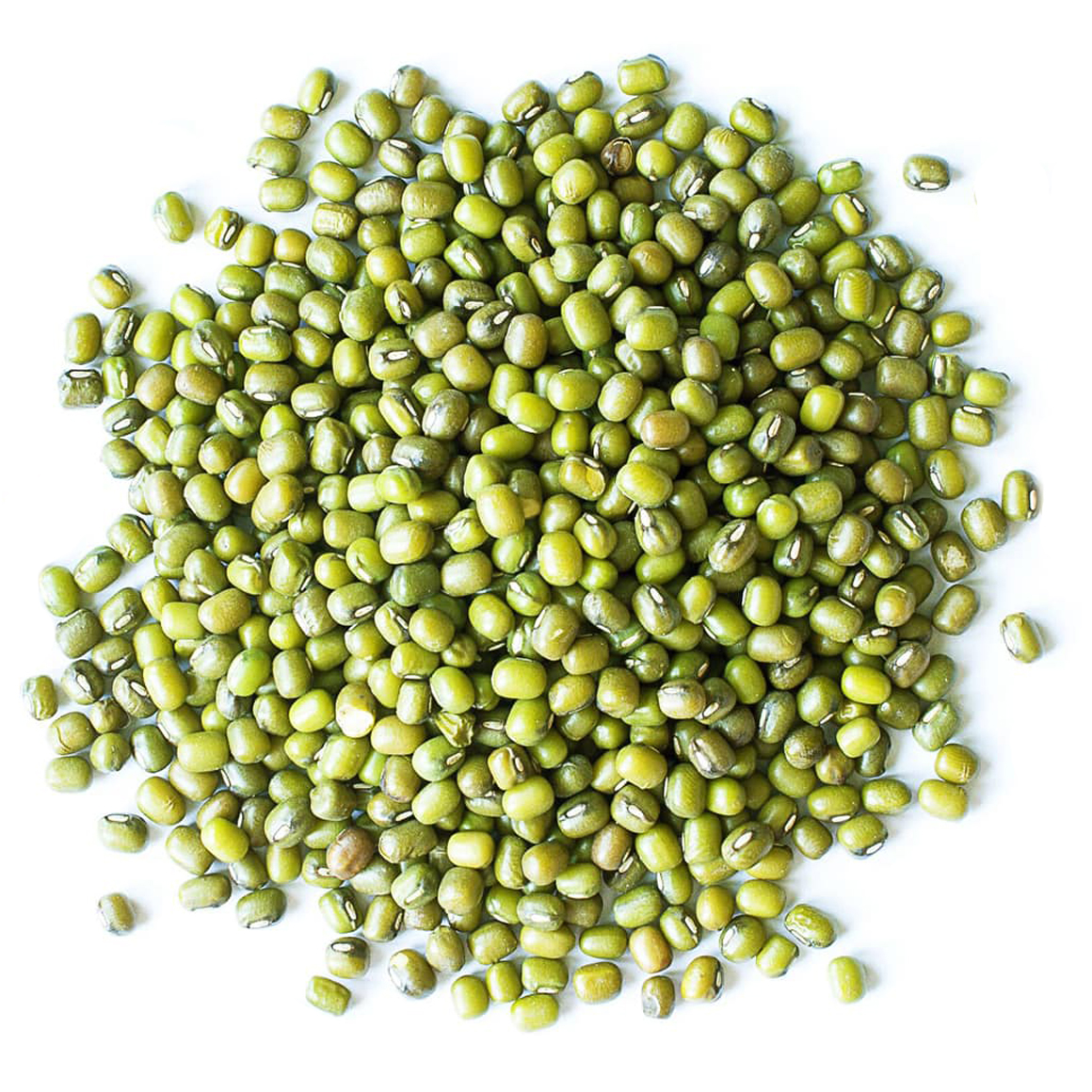


Mung Beans
Premium Mung Beans for Wholesale and Food Processing
Mung Beans are small, green legumes valued for their nutritional properties, versatility, and widespread use in Asian, African, Middle Eastern, and international cuisines. Also known as green gram or Vigna radiata, mung beans are commonly used for soups, stews, curries, salads, porridges, bean dishes, flour production, and sprouting.
We supply mung beans in commercial grades suitable for food importers, wholesalers, distributors, supermarkets, food processors, restaurants, catering companies, and agricultural commodity buyers. Depending on market requirements, mung beans can be supplied as whole green beans, split mung beans, or other processed forms.
Product Specifications
| Specification | Details |
|---|---|
| Product Name | Mung Beans |
| Common Names | Green Gram, Mung Bean |
| Botanical Name | Vigna radiata |
| Product Type | Dried Edible Legume |
| Form | Whole or split |
| Color | Natural green to greenish-yellow |
| Shape | Small, oval to rounded beans |
| Flavor | Mild, slightly sweet and earthy |
| Texture | Firm when dry; tender when cooked |
| Moisture | According to agreed commercial grade |
| Purity | According to agreed specification |
| Foreign Matter | Controlled according to grade |
| Broken/Damaged Beans | According to agreed specification |
| Insect Damage | Controlled according to applicable grade |
| Origin | According to supply contract |
| Packaging | Bags, woven sacks, PP bags, cartons, or bulk |
| Shelf Life | Subject to packaging and storage conditions |
Exact moisture, purity, defect tolerance, size, and other technical specifications should be confirmed according to the agreed commercial grade before shipment.
Natural Quality and Appearance
Quality mung beans are generally uniform in size and appearance, with a clean natural green color and a characteristic mild legume aroma. Proper cleaning, sorting, drying, and grading help ensure that the product meets commercial requirements for food processing and consumption.
Depending on the destination market, mung beans may be supplied according to specific requirements for size, color, purity, moisture, and tolerance for damaged or broken grains.
Nutritional Value
Mung beans are naturally a source of plant-based protein, dietary fiber, carbohydrates, vitamins, minerals, and other nutrients. Their nutritional characteristics make them a popular ingredient in both traditional and modern food products.
They can be incorporated into diets and food formulations as:
- Plant-based protein ingredients
- Legume-based meals
- Soups and stews
- Sprouted foods
- Flour and food mixes
- Vegetarian and vegan food products
- Ready-to-cook food products
Nutritional values can vary according to variety, growing conditions, processing, and storage. Product-specific nutritional information can be provided according to the applicable specification.
Culinary Applications
Mung beans are highly versatile and can be prepared in numerous ways.
Soups and Stews
Whole mung beans can be cooked in soups and stews, where they provide texture, flavor, and nutritional value.
Curries and Traditional Dishes
Mung beans are widely used in curries and traditional legume-based dishes. Split mung beans can cook relatively quickly and are suitable for dhal-style preparations.
Sprouting
Mung beans are particularly popular for producing edible bean sprouts. Sprouted mung beans are used in salads, stir-fries, sandwiches, noodles, and various prepared foods.
Salads
Cooked or sprouted mung beans can be combined with vegetables, herbs, grains, and dressings to create nutritious salads.
Flour Production
Mung beans can be milled into flour for use in noodles, baked products, snacks, batters, and specialized food formulations.
Food Processing
Food manufacturers can use mung beans in ready-to-cook meals, instant food products, plant-based formulations, snacks, and other processed foods.
Whole and Split Mung Beans
Whole Mung Beans
Whole mung beans retain their natural green outer skin and are suitable for cooking, sprouting, soups, stews, salads, and traditional dishes.
Split Mung Beans
Split mung beans are processed into smaller portions and may cook more quickly than whole beans. They are commonly used in soups, porridges, curries, dhal-style dishes, and food manufacturing.
Quality Control
Quality control is an important part of commercial mung bean supply. Depending on buyer requirements, quality assessment may include:
- Moisture content
- Purity
- Bean size
- Color and appearance
- Foreign material
- Broken beans
- Discolored beans
- Insect damage
- Pest contamination
- Damaged grains
- Odor
- Packaging condition
Additional laboratory testing and inspection can be arranged according to the buyer’s specifications and destination-market requirements.
Food Safety and Hygiene
Mung beans intended for human consumption should be handled under appropriate food-safety and hygiene conditions. Proper cleaning, sorting, storage, packaging, and transportation help protect the product from contamination and deterioration.
For sprouting applications, buyers should apply appropriate food-safety controls because sprouted products require careful handling and hygienic processing.
Specific food-safety documentation and laboratory testing can be agreed upon before shipment.
Packaging Options
Mung beans can be supplied in different packaging formats depending on the target market and order quantity.
Common options include:
- 1 kg retail bags
- 5 kg bags
- 10 kg bags
- 25 kg bags
- 50 kg woven sacks
- PP bags
- Bulk commercial packaging
Private-label or customized packaging may be available according to order requirements and applicable regulations.
Storage and Shelf Life
Mung beans should be stored in a clean, cool, dry, and well-ventilated warehouse. They should be protected from moisture, insects, rodents, direct sunlight, and strong odors.
Properly dried mung beans stored under suitable conditions can maintain their quality for an extended period. Storage conditions, packaging type, initial moisture level, and product grade can influence shelf life.
Wholesale Mung Bean Supply
Our mung beans are suitable for a wide range of commercial customers, including:
- Agricultural commodity importers
- Food wholesalers
- Grain distributors
- Supermarkets
- Food processors
- Restaurants
- Hotels
- Catering companies
- Legume processors
- Sprout producers
- Plant-based food manufacturers
- Retail repacking companies
Bulk orders can be arranged according to required grade, quantity, packaging, quality standards, destination, and shipping requirements.
Why Choose Our Mung Beans?
- Quality-focused commercial supply
- Suitable for human consumption
- Whole and split options
- Suitable for sprouting
- Suitable for food processing
- Flexible packaging options
- Bulk wholesale quantities
- Suitable for international trade
- Specifications agreed before shipment
- Versatile applications across multiple food sectors
Order Mung Beans in Bulk
Mung Beans are a versatile legume with strong demand across food retail, food service, sprouting, and food-processing markets. Their combination of culinary versatility and nutritional characteristics makes them suitable for both traditional dishes and modern plant-based food applications.
Contact our sales team to request current availability, pricing, minimum order quantity, grade, packaging options, product specifications, and shipping arrangements for your destination market.
Related products
Vegetable Oil

Fertilizer

Frozen Chicken

Frozen Chicken
Fertilizer

Vegetable Oil

Frozen Chicken