
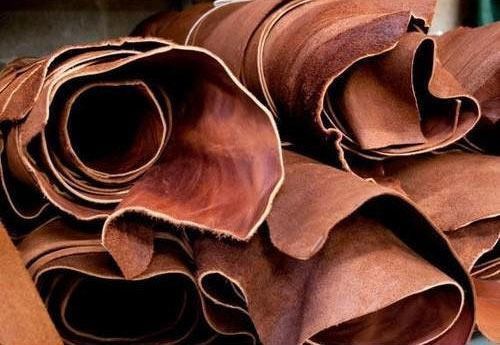


Raw Leather
Quality Raw Leather for Tanneries and Leather Manufacturing
Raw Leather, commonly traded as raw hides or skins before tanning, is an animal-derived material used as the primary raw input for the production of finished leather. Properly collected, preserved, sorted, and graded raw hides provide the foundation for manufacturing leather used in footwear, handbags, belts, upholstery, furniture, automotive interiors, garments, gloves, and numerous other leather products.
We supply raw hides and skins in commercial quantities for tanneries, leather processors, manufacturers, wholesalers, commodity traders, and international buyers. Depending on availability and buyer requirements, products may include raw cattle hides, buffalo hides, goat skins, sheep skins, and other commercially traded hides or skins.
Product Specifications
| Specification | Details |
|---|---|
| Product Name | Raw Leather / Raw Hides and Skins |
| Main Source | Cattle, buffalo, sheep, goat, or other approved animal sources |
| Product Type | Untanned hides or skins |
| Form | Fresh, salted, dried, or otherwise preserved according to specification |
| Surface | Natural animal hide surface |
| Color | Natural, varying according to animal and preservation method |
| Thickness | Varies according to animal type and hide/skin location |
| Size | Varies according to animal type and grade |
| Preservation | Wet-salted, dry-salted, air-dried, or fresh according to specification |
| Defects | According to agreed commercial grade |
| Foreign Matter | Controlled according to specification |
| Moisture | According to preservation method and agreed specification |
| Origin | According to supply contract |
| Packaging | Bundles, pallets, bales, bags, or other commercial packaging |
| Intended Use | Tanning and leather production |
Exact animal type, preservation method, size, weight, defects, grading, and packaging should be confirmed according to the specific shipment and buyer requirements.
What Is Raw Leather?
Raw leather refers to animal hides or skins before they undergo the tanning process that converts them into durable finished leather. At this stage, the material retains its natural fibrous structure and requires appropriate preservation and processing before it can be manufactured into finished leather goods.
The quality of raw hides depends on factors such as animal type, age, hide size, thickness, condition, handling during slaughter, preservation, transportation, and the presence or absence of defects.
Types of Raw Hides and Skins
Raw Cattle Hides
Cattle hides are among the most widely used raw materials in the global leather industry. Their relatively large size and robust fiber structure make them suitable for producing a broad range of leather products.
Potential applications include:
- Footwear leather
- Belts
- Bags
- Upholstery
- Furniture leather
- Automotive leather
- Industrial leather goods
Raw Buffalo Hides
Buffalo hides can provide a strong and substantial raw material for tanneries and leather manufacturers. They can be processed into leather for footwear, bags, belts, furniture, and other applications.
Raw Goat Skins
Goat skins are generally smaller and lighter than cattle hides and are valued for producing flexible leather suitable for selected footwear, gloves, garments, accessories, and specialty products.
Raw Sheep Skins
Sheep skins can be processed into soft leather and are used in selected garment, glove, footwear, accessory, and other leather applications.
Preservation Methods
Raw hides and skins require preservation to reduce deterioration before they reach the tannery.
Wet-Salted Hides
Wet salting is a common commercial preservation method. Salt is used to reduce moisture availability and help preserve the hide during transportation and storage.
Dry-Salted Hides
Dry-salted hides are preserved using salt and subsequent drying. This format can be suitable for certain trading and transportation requirements.
Air-Dried Hides
Air-dried hides are preserved through controlled drying and may be used where this form of preservation is appropriate for the buyer and processing facility.
Fresh Hides
Fresh hides may require rapid transportation and immediate processing or preservation to maintain their condition.
Quality Factors
Tanneries typically evaluate raw hides and skins according to several characteristics, including:
- Hide or skin size
- Weight
- Thickness
- Fiber structure
- Preservation quality
- Surface condition
- Brand marks
- Insect damage
- Cuts and holes
- Knife damage
- Scars
- Disease-related defects
- Putrefaction or deterioration
- Foreign materials
The grading system can vary according to animal type, origin, tannery requirements, and commercial market.
Applications
Raw hides and skins are primarily supplied to tanneries and leather-processing companies.
After tanning and finishing, the resulting leather may be used in the production of:
- Shoes
- Boots
- Handbags
- Wallets
- Belts
- Leather jackets
- Gloves
- Furniture upholstery
- Automotive interiors
- Saddlery
- Industrial products
- Fashion accessories
The final application depends on the animal source, hide quality, tanning process, and finishing method.
Quality Control
Quality inspection can be carried out before shipment to assess:
- Animal type
- Hide or skin size
- Weight
- Preservation condition
- Moisture
- Defect levels
- Surface damage
- Salt condition where applicable
- Signs of deterioration
- Packaging and loading condition
For larger commercial contracts, inspection requirements can be agreed between the buyer and seller before shipment.
Handling and Storage
Raw hides and skins are perishable materials and require appropriate handling. Preservation should be maintained throughout collection, storage, transportation, and delivery.
Storage areas should be clean and appropriately ventilated, and products should be protected from excessive heat, moisture, pests, contamination, and prolonged exposure to unsuitable conditions.
The appropriate preservation method and maximum storage period depend on the product type and commercial specification.
Packaging and Transportation
Raw hides can be packaged and prepared for transportation according to the preservation method and buyer requirements.
Possible formats include:
- Bundled hides
- Salted hide bundles
- Bales
- Palletized loads
- Commercial bags
- Bulk shipments
Transportation requirements should take into account the preservation method, climate, journey duration, destination regulations, and applicable animal-product import requirements.
International Trade Considerations
Raw animal hides and skins may be subject to veterinary, sanitary, customs, environmental, and animal-product import regulations in the destination country.
Buyers should verify the import requirements applicable to their destination before placing an order. Documentation and inspection requirements should be established as part of the commercial contract.
Wholesale Raw Leather Supply
Raw hides and skins are suitable for:
- Tanneries
- Leather manufacturers
- Leather traders
- Commodity importers
- Leather-processing companies
- Footwear manufacturers
- Upholstery manufacturers
- Industrial leather producers
- International distributors
Bulk orders can be arranged according to animal type, preservation method, grade, quantity, packaging, origin, and destination.
Why Choose Our Raw Leather?
- Commercial quantities available
- Multiple hide and skin types
- Different preservation methods
- Suitable for professional tanneries
- Flexible grading requirements
- Export-oriented handling
- Bulk packaging options
- Suitable for leather manufacturing
- Specifications agreed before shipment
- International wholesale supply
Order Raw Leather in Bulk
Raw Leather provides the essential starting material for the production of a wide range of finished leather products. Consistent grading, appropriate preservation, careful handling, and suitable transportation are important to maintaining raw-hide quality before tanning.
Contact our sales team to request current availability, pricing, minimum order quantity, animal type, preservation method, grade, average hide size, packaging details, documentation, and shipping arrangements for your destination market.
Related products
Vegetable Oil

Fertilizer

Frozen Chicken
Vegetable Oil
Frozen Chicken
Frozen Chicken

Vegetable Oil

Grains