Description
Refined Canola Oil is a high-quality edible vegetable oil obtained from specially developed varieties of rapeseed (Brassica napus L.). Our Refined Canola Oil is produced in Brazil and processed through controlled refining stages to provide a clear, light-colored oil with a mild taste and versatile functionality.
Canola oil is widely used in household cooking, restaurants, food manufacturing, baking, frying, salad dressings and other commercial food applications. Its mild flavor makes it particularly useful in recipes where the natural taste of the other ingredients should remain prominent.
The term canola is generally used for rapeseed varieties bred to produce oil with low levels of erucic acid. Codex’s standard for named vegetable oils includes rapeseed oil and specifies the identity and composition requirements applicable to low-erucic-acid rapeseed oil.
Our Brazilian-origin Refined Canola Oil can be supplied to importers, wholesalers, distributors, food manufacturers, restaurants and other commercial buyers in retail, commercial and bulk packaging.
Refined Canola Oil Specifications
The following table provides a commercial reference specification. Exact values should be confirmed through the shipment-specific Certificate of Analysis (COA) and agreed purchase specification.
| Parameter | Specification / Typical Requirement |
|---|---|
| Product | Refined Canola Oil |
| Alternative Name | Refined Low-Erucic Rapeseed Oil |
| Country of Origin | Brazil |
| Botanical Source | Rapeseed (Brassica napus L.) |
| Product Type | Refined Edible Vegetable Oil |
| Appearance | Clear, bright liquid |
| Color | Light yellow to golden yellow |
| Odor | Mild and characteristic |
| Taste | Mild, neutral/characteristic; free from rancid taste |
| Erucic Acid | ≤ 2% of total fatty acids for low-erucic-acid rapeseed oil |
| Free Fatty Acids | Typically ≤ 0.1% |
| Moisture & Volatile Matter | Typically ≤ 0.1–0.2% |
| Insoluble Impurities | Typically ≤ 0.05% |
| Peroxide Value | According to agreed refined-oil specification |
| Iodine Value | Approximately 105–126 g I₂/100 g |
| Saponification Value | Approximately 168–181 mg KOH/g |
| Relative Density | Approximately 0.910–0.920 |
| Refractive Index | Approximately 1.465–1.467 at 40°C |
| Physical State | Liquid |
| Solubility | Insoluble in water |
| Packaging | Bottles, jerry cans, drums, IBCs or bulk |
| Bulk Supply | Available according to contract |
| Certificate of Analysis | Available according to shipment |
| Storage | Cool, dry place away from direct sunlight |
Codex identifies low-erucic-acid rapeseed oil as containing no more than 2% erucic acid of the total fatty acids and provides reference ranges for iodine value, saponification value, relative density and refractive index.
Brazilian Origin
Our Refined Canola Oil is produced in Brazil from suitable low-erucic-acid rapeseed varieties. The seeds undergo oil extraction followed by refining processes designed to produce an edible oil with consistent quality and a clean sensory profile.
Brazil’s agricultural sector produces a variety of oilseeds, and canola/rapeseed forms part of its oilseed production in suitable growing regions.
The resulting refined oil is prepared for commercial food applications and can be supplied according to the requirements of international buyers.
From Rapeseed to Refined Canola Oil
The production process involves several stages designed to obtain a clean, stable and commercially suitable edible oil.
1. Seed Selection and Cleaning
Rapeseed is carefully selected and cleaned to remove foreign materials, dust and other impurities before processing.
2. Oil Extraction
The prepared seeds are processed to recover the oil. Depending on the production facility, extraction can involve mechanical pressing, solvent extraction or a combination of industrial methods.
The resulting crude oil contains naturally occurring components that are subsequently reduced or removed during refining.
3. Degumming
Degumming helps remove phospholipids and other materials that can affect oil stability and appearance.
4. Neutralization
The oil can undergo neutralization to reduce free fatty acids and other unwanted components.
5. Bleaching
Bleaching reduces pigments and selected impurities, producing the light color associated with refined canola oil.
6. Deodorization
Controlled deodorization removes unwanted volatile compounds and odors, resulting in an oil with a mild sensory profile.
7. Filtration and Quality Control
The finished oil is filtered and tested against the applicable specification before packaging or bulk shipment.
Appearance and Sensory Characteristics
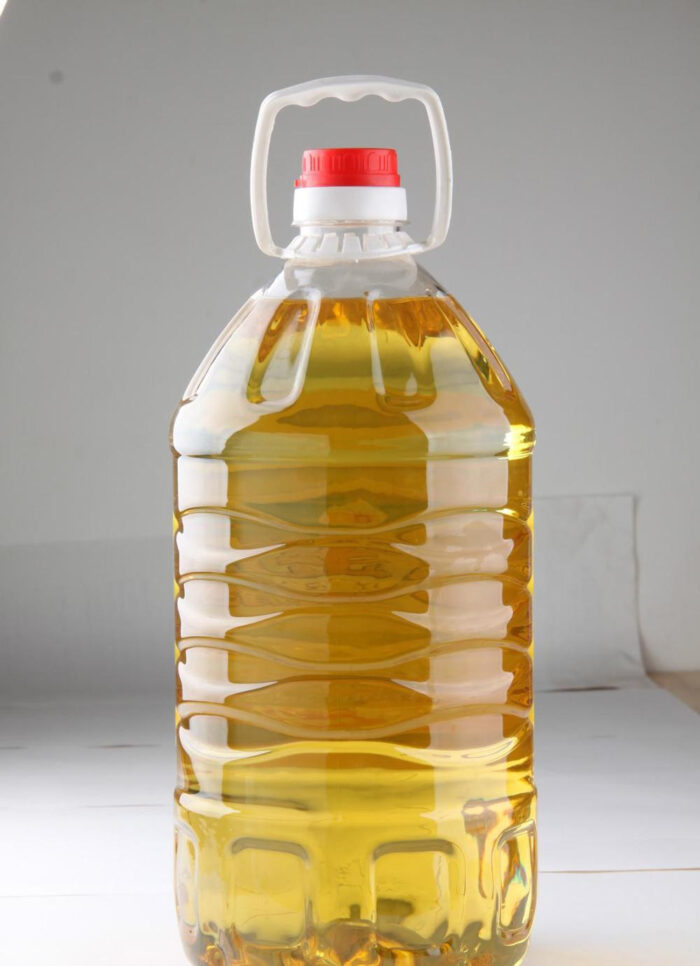
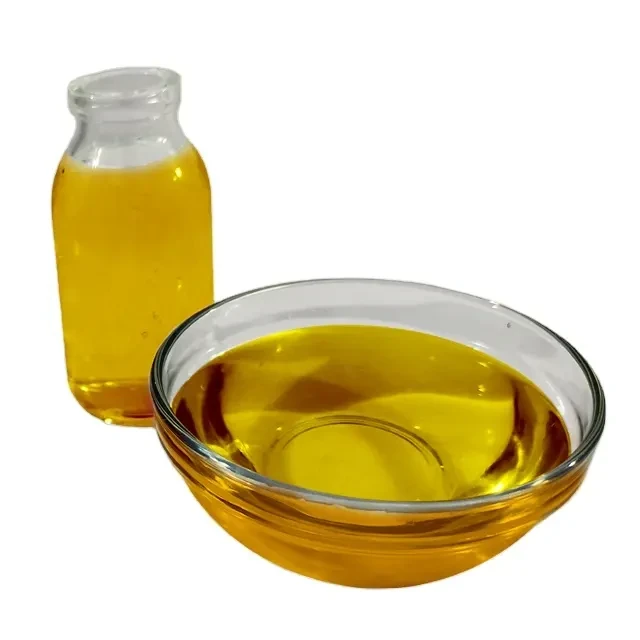
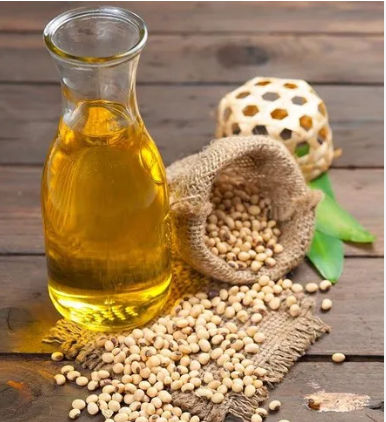
Refined Canola Oil is generally a clear, bright, pale-yellow to golden-yellow liquid.
One of its key commercial characteristics is its mild flavor and aroma. Properly refined canola oil should be free from rancid, burnt or other abnormal sensory characteristics.
Its neutral profile allows it to be used in a wide range of foods without substantially changing their intended flavor.
Cooking and Frying Applications
Refined Canola Oil is a versatile cooking oil suitable for household and commercial food preparation.
Frying
It can be used for frying vegetables, potatoes, meat, fish and other foods in domestic and commercial kitchens.
Sautéing
Its mild flavor makes it suitable for sautéing vegetables and other ingredients.
Baking
Canola oil can be incorporated into cakes, muffins, breads, pastries, biscuits and other baked products.
Salad Dressings
Its relatively neutral taste makes it suitable for vinaigrettes, salad dressings and marinades.
General Cooking
Hotels, restaurants, catering businesses and institutional kitchens can use refined canola oil as a general-purpose edible oil.
Food Manufacturing Applications
Refined Canola Oil can be incorporated into a variety of commercial food products, depending on the formulation and applicable food regulations.
Potential applications include:
- Mayonnaise
- Salad dressings
- Sauces
- Margarine
- Bakery products
- Biscuits
- Cakes
- Pastries
- Snack foods
- Prepared meals
- Processed foods
- Frying applications
Its mild sensory profile and liquid consistency make it particularly convenient for food manufacturers.
Fatty-Acid Composition
Canola oil is recognized for its characteristic fatty-acid composition. Low-erucic-acid rapeseed oil contains significant amounts of oleic, linoleic and alpha-linolenic acids, while erucic acid is limited to no more than 2% under the Codex definition for low-erucic-acid rapeseed oil.
The exact fatty-acid profile can vary according to seed variety, growing conditions, processing and refining. For nutritional labeling or technical specifications, buyers should use the actual analytical results for the supplied product.
Quality Assurance
Quality control is an essential component of edible-oil production and international supply.
Our Refined Canola Oil can be evaluated for:
- Appearance
- Color
- Odor
- Taste
- Free fatty acids
- Moisture
- Insoluble impurities
- Peroxide value
- Iodine value
- Saponification value
- Refractive index
- Relative density
- Fatty-acid composition
- Erucic acid level
The applicable Certificate of Analysis (COA) provides analytical results for the specific shipment.
Depending on the destination market, buyers may also request certificate of origin, sanitary or health documentation, product specifications, laboratory analysis and other export documents.
Packaging Options
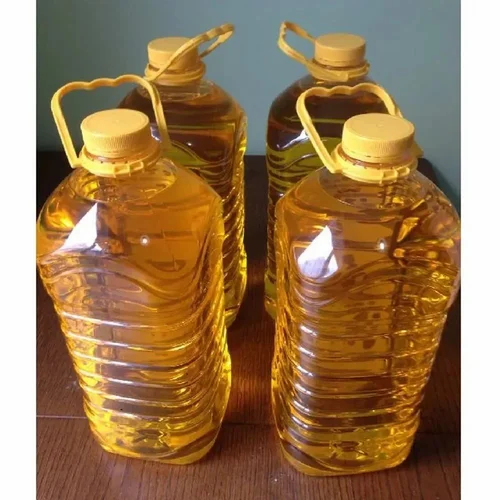
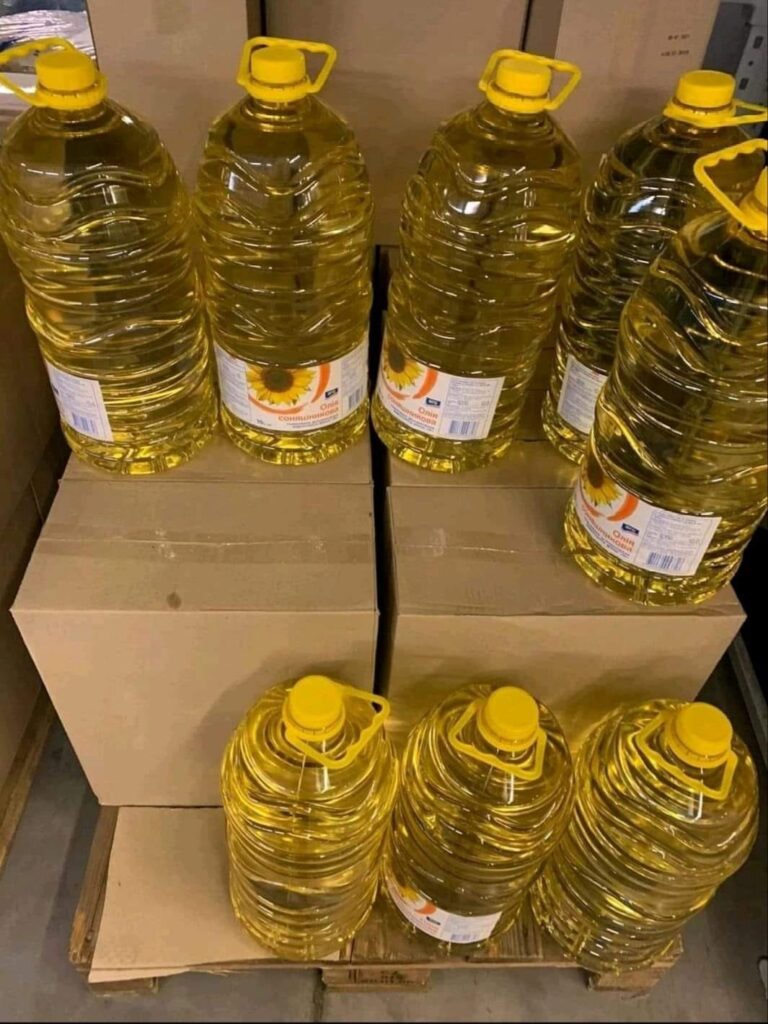
We can supply Refined Canola Oil in different packaging formats depending on the customer’s requirements.
Retail Packaging
- 500 ml bottles
- 1-liter bottles
- 2-liter bottles
- 3-liter bottles
- 5-liter containers
Commercial Packaging
- 10-liter containers
- 20-liter jerry cans
- Steel drums
- IBC containers
Bulk Supply
For industrial buyers, larger-volume supply and bulk transportation arrangements can be discussed according to order quantity, destination and delivery terms.
Packaging, labeling and container specifications can be adapted to applicable market requirements.
Storage Recommendations
Refined Canola Oil should be stored in a clean, dry and well-ventilated environment, protected from direct sunlight, excessive heat, moisture and contamination.
Containers should remain tightly closed when not in use. Excessive exposure to light, oxygen and heat can accelerate oxidation and affect the quality of edible oils.
Appropriate storage conditions help preserve the oil’s color, taste, aroma and overall quality.
Why Choose Our Refined Canola Oil?
Our Brazilian Refined Canola Oil offers commercial buyers:
- Brazilian origin
- Low-erucic-acid rapeseed oil
- Refined edible vegetable oil
- Clear and bright appearance
- Mild taste and aroma
- Versatile cooking applications
- Suitable for frying and baking
- Suitable for food manufacturing
- Multiple packaging options
- Bulk supply capability
- Shipment-specific quality documentation
- Certificate of Analysis according to applicable requirements
- Commercial supply for international buyers
Reliable Brazilian Canola Oil Supply
Whether you are a food manufacturer, edible-oil distributor, wholesaler, supermarket supplier, restaurant group, catering company or international importer, our Refined Canola Oil provides a versatile vegetable-oil solution.
Produced in Brazil, the product is refined to provide a clean appearance and mild sensory characteristics suitable for a broad range of culinary and food-processing applications.
The final technical specification and shipment-specific Certificate of Analysis should always be used to verify the actual characteristics of each batch.
Request a Quotation
Looking to purchase Refined Canola Oil from Brazil in commercial or bulk quantities?
Contact our sales team with your required quantity, packaging format, destination country and delivery terms to discuss your requirements and receive a quotation.
REFINED CANOLA OIL | BRAZILIAN ORIGIN | LOW-ERUCIC-ACID RAPESEED OIL | EDIBLE VEGETABLE OIL | BULK SUPPLY
Reviews
There are no reviews yet.