Description
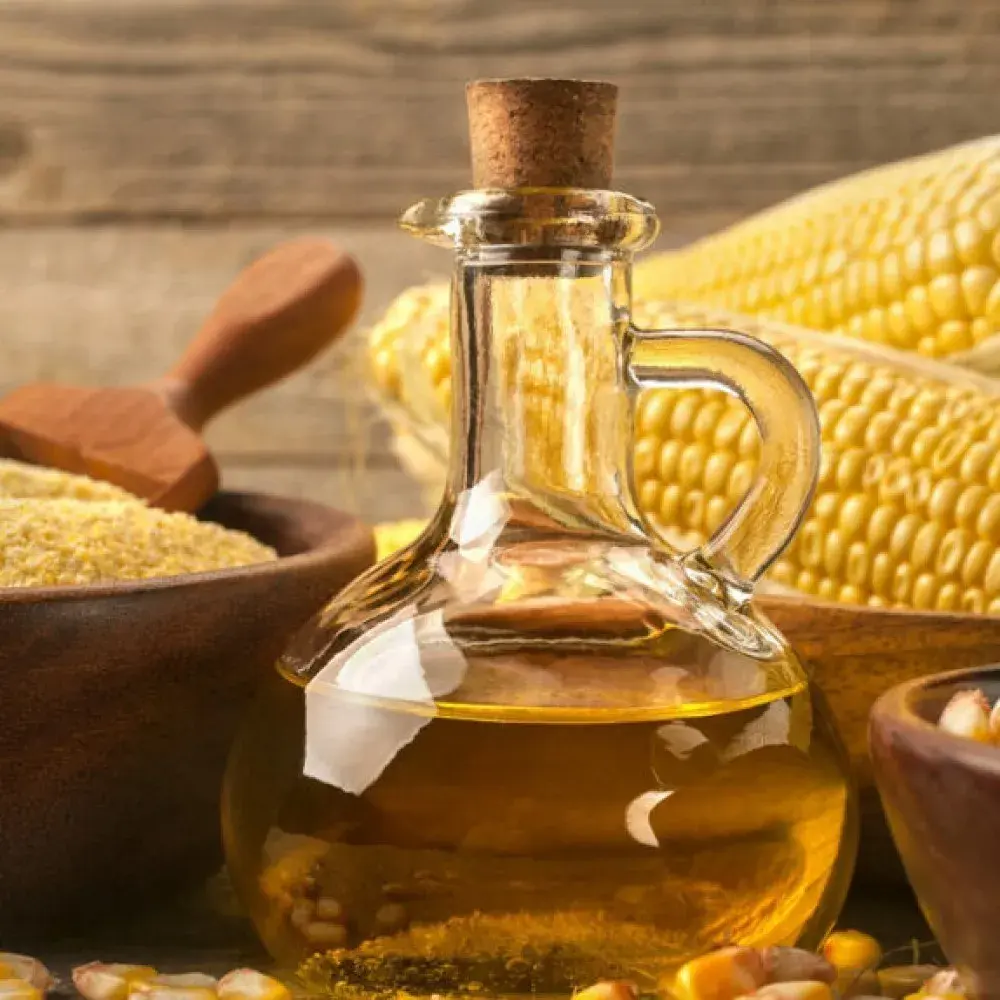
Refined Corn Oil, also known as Refined Maize Oil, is a premium edible vegetable oil obtained from the germ of corn (maize). Our Refined Corn Oil is produced in Brazil using carefully selected corn and controlled processing methods to provide a clear, bright, mild-flavored oil suitable for cooking, food manufacturing and commercial applications.
Corn oil is valued for its mild taste, light color and versatility. Because it has a relatively neutral sensory profile, it can be incorporated into a wide range of recipes and food formulations without significantly overpowering the natural flavor of other ingredients.
The product is suitable for households, restaurants, hotels, food processors, wholesalers, distributors and industrial buyers. It can be supplied in retail, commercial and bulk packaging according to customer requirements.
Corn oil is derived from the germ of Zea mays L. Codex identifies maize (corn) oil as an edible vegetable oil obtained from maize germ and establishes identity and quality characteristics for the product.
Refined Corn Oil Specifications
The following table provides a commercial reference specification. Exact values should be confirmed through the applicable Certificate of Analysis (COA) and final purchase specification for each shipment.
| Parameter | Specification / Typical Requirement |
|---|---|
| Product | Refined Corn Oil |
| Alternative Name | Refined Maize Oil |
| Country of Origin | Brazil |
| Botanical Source | Corn / Maize (Zea mays L.) |
| Oil Source | Corn germ |
| Product Type | Refined Edible Vegetable Oil |
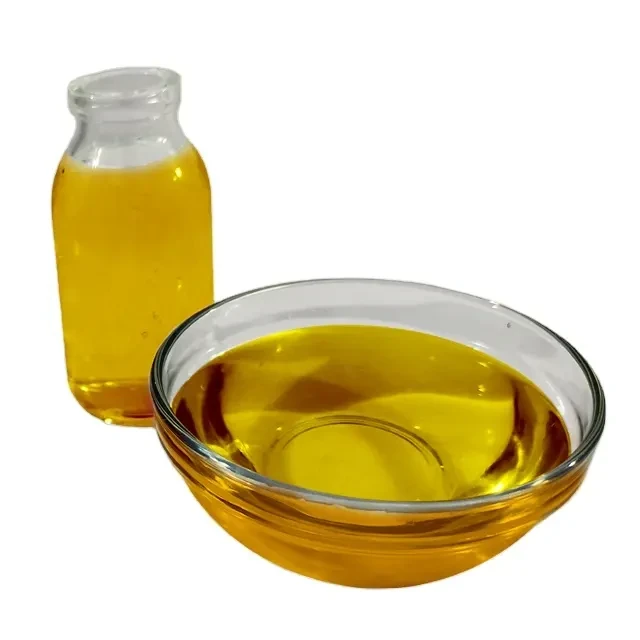
| Appearance | Clear, bright liquid |
| Color | Light yellow to golden yellow |
| Odor | Mild and characteristic |
| Taste | Mild, characteristic; free from rancid taste |
| Free Fatty Acids | Typically ≤ 0.1% |
| Moisture & Volatile Matter | Typically ≤ 0.1–0.2% |
| Insoluble Impurities | Typically ≤ 0.05% |
| Peroxide Value | According to agreed refined-oil specification |
| Iodine Value | Approximately 103–135 g I₂/100 g |
| Saponification Value | Approximately 187–193 mg KOH/g |
| Relative Density | Approximately 0.917–0.925 |
| Refractive Index | Approximately 1.470–1.474 |
| Physical State | Liquid |
| Solubility | Insoluble in water |
| Source Material | Corn / Maize Germ |
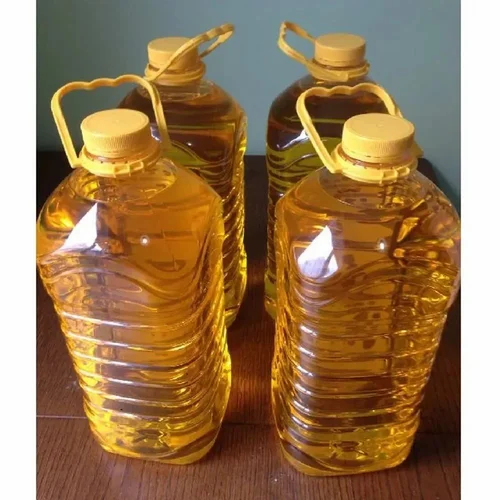
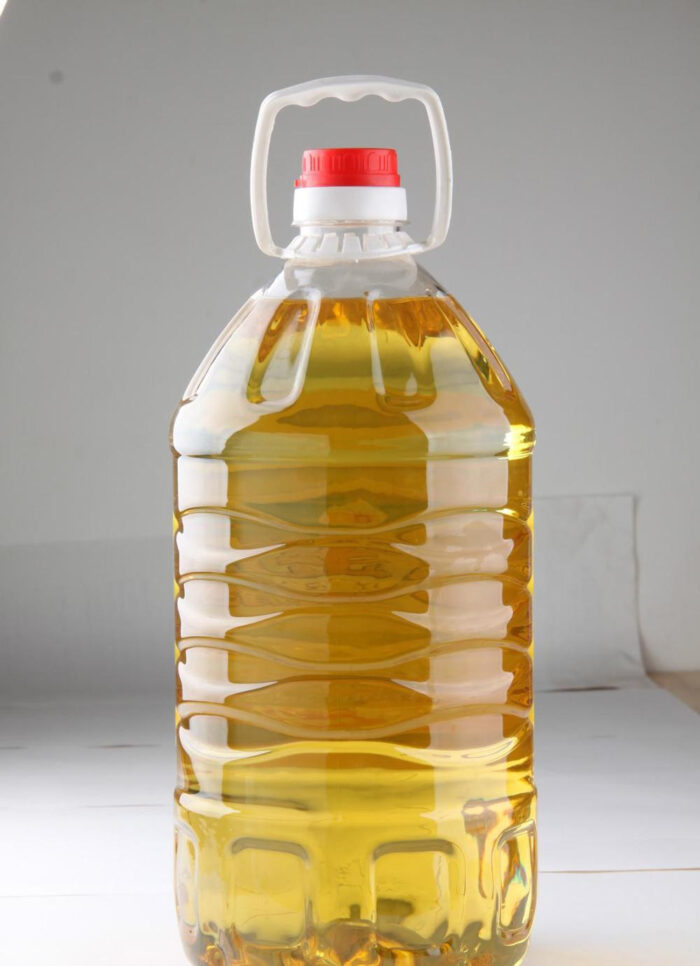
| Packaging | Bottles, jerry cans, drums, IBCs or bulk |
| Bulk Supply | Available according to contract |
| Certificate of Analysis | Available according to shipment |
| Storage | Cool, dry place away from direct sunlight |
Codex’s standard for named vegetable oils provides identity and quality parameters for maize/corn oil, including ranges for iodine value, saponification value, relative density and refractive index.
Brazilian Origin
Our Refined Corn Oil is produced in Brazil from corn germ. Brazil has a substantial agricultural and grain-processing sector, providing an established source of corn and corn-derived products.
Corn kernels contain oil primarily in the germ. During corn processing, the germ can be separated and processed to recover corn oil. The crude oil then undergoes refining to produce a clean, consistent edible oil.
The finished product is designed for customers seeking a versatile vegetable oil for cooking, food processing and commercial applications.
From Corn Germ to Refined Oil
The production of refined corn oil involves several carefully controlled stages.
1. Corn Selection and Preparation
Corn is cleaned and processed to separate the germ from other components of the grain. The germ contains a relatively high concentration of oil and serves as the principal raw material for corn oil production.
2. Oil Extraction
Oil is extracted from the prepared corn germ using an appropriate industrial extraction process. The resulting crude corn oil contains naturally occurring substances that are subsequently removed or reduced during refining.
3. Degumming
Degumming helps remove phospholipids and other materials that can affect the stability, appearance and processing characteristics of the oil.
4. Neutralization
The oil can undergo neutralization to reduce free fatty acids and other undesirable components.
5. Bleaching
Bleaching reduces pigments and certain remaining impurities, producing the characteristic light color associated with refined corn oil.
6. Deodorization
Controlled deodorization reduces unwanted volatile compounds and odors, producing a mild and clean sensory profile.
7. Filtration and Quality Testing
The finished oil is filtered and subjected to quality-control testing before being packaged or prepared for bulk shipment.
Appearance and Sensory Characteristics
Refined Corn Oil is generally a clear, bright, light-yellow to golden-yellow liquid.
One of its commercial advantages is its mild flavor. Properly refined corn oil should have a characteristic but relatively subtle odor and taste and should be free from rancid or foreign sensory characteristics.
This mild profile makes it suitable for applications where manufacturers want an edible vegetable oil that does not strongly alter the flavor of the finished food.
Cooking and Frying Applications
Refined Corn Oil is suitable for a wide variety of culinary applications.
Frying
Corn oil can be used for pan frying and deep frying, making it suitable for domestic kitchens, restaurants and food-service operations.
Sautéing
Its mild flavor makes it suitable for sautéing vegetables, meat, fish and other ingredients.
Baking
Corn oil can be incorporated into cakes, muffins, pastries, breads, biscuits and other baked products.
Salad Dressings
Its light flavor makes it suitable for salad dressings, marinades and sauces.
General Food Preparation
Households, restaurants and catering businesses can use refined corn oil as an all-purpose edible vegetable oil.
Food Manufacturing Applications
Refined Corn Oil has applications beyond everyday cooking. Food manufacturers can incorporate it into a variety of commercial formulations, including:
- Mayonnaise
- Salad dressings
- Sauces
- Margarine
- Bakery products
- Biscuits
- Cakes
- Pastries
- Snack foods
- Prepared meals
- Processed foods
- Cooking and frying products
The exact application should be determined according to the customer’s formulation, technical requirements and the food regulations applicable in the destination market.
Fatty-Acid Characteristics
Corn oil naturally contains a combination of saturated and unsaturated fatty acids. Its composition can vary according to corn variety, growing conditions, extraction method and processing.
Codex specifications identify typical fatty-acid ranges for maize oil, including substantial proportions of linoleic and oleic acids.
For commercial or nutritional labeling, the actual fatty-acid composition should be determined from the product’s analytical documentation rather than assumed from general reference values.
Quality Assurance
Quality control is essential when supplying edible vegetable oils internationally.
Important quality parameters may include:
- Appearance
- Color
- Odor
- Taste
- Free fatty acids
- Moisture
- Insoluble impurities
- Peroxide value
- Iodine value
- Saponification value
- Relative density
- Refractive index
- Fatty-acid profile
The applicable Certificate of Analysis (COA) can provide the analytical results for the specific shipment.
International buyers may also request additional documentation, including certificate of origin, health or sanitary documentation, product specification sheets and other export documents depending on destination requirements.
Packaging Options
Our Refined Corn Oil can be supplied in packaging suitable for different market segments.
Retail Packaging
- 500 ml bottles
- 1-liter bottles
- 2-liter bottles
- 3-liter bottles
- 5-liter containers
Commercial Packaging
- 10-liter containers
- 20-liter jerry cans
- Steel drums
- IBC containers
Bulk Supply
For large industrial requirements, bulk transportation options can be discussed according to order quantity and destination.
Packaging, labeling, container sizes and loading arrangements can be agreed according to the buyer’s requirements.
Storage Recommendations
Refined Corn Oil should be stored in a clean, dry and well-ventilated environment, protected from direct sunlight, excessive heat, moisture and contamination.
Containers should remain properly sealed when not in use. Prolonged exposure to heat, light and oxygen can accelerate oxidation and affect the quality of edible oils.
Appropriate storage conditions help preserve the product’s appearance, taste, aroma and overall quality.
Why Choose Our Refined Corn Oil?
Our Brazilian Refined Corn Oil provides buyers with:
- Brazilian origin
- Produced from corn germ
- Refined edible vegetable oil
- Clear and bright appearance
- Mild taste and aroma
- Versatile cooking applications
- Suitable for frying and baking
- Suitable for food manufacturing
- Multiple packaging options
- Bulk supply capability
- Shipment-specific quality documentation
- Certificate of Analysis according to applicable requirements
- Commercial supply for international buyers
Reliable Brazilian Corn Oil Supply
Whether you are a food manufacturer, edible-oil distributor, wholesaler, supermarket supplier, restaurant group, catering company or international importer, our Refined Corn Oil provides a versatile vegetable-oil solution.
Produced from Brazilian corn, the oil is processed and refined for commercial food applications, offering a clean appearance and mild sensory profile suitable for a wide variety of culinary and industrial uses.
The final product specification and shipment-specific Certificate of Analysis should always be used to verify the actual characteristics of each batch.
Request a Quotation
Looking to purchase Refined Corn Oil from Brazil in commercial or bulk quantities?
Contact our sales team with your required quantity, packaging format, destination country and delivery terms to discuss your requirements and receive a quotation.
REFINED CORN OIL | BRAZILIAN ORIGIN | EDIBLE VEGETABLE OIL | FOOD PROCESSING & COOKING | BULK SUPPLY
Reviews
There are no reviews yet.