

Almond Nuts
Premium Almond Nuts for Global Wholesale and Food Processing
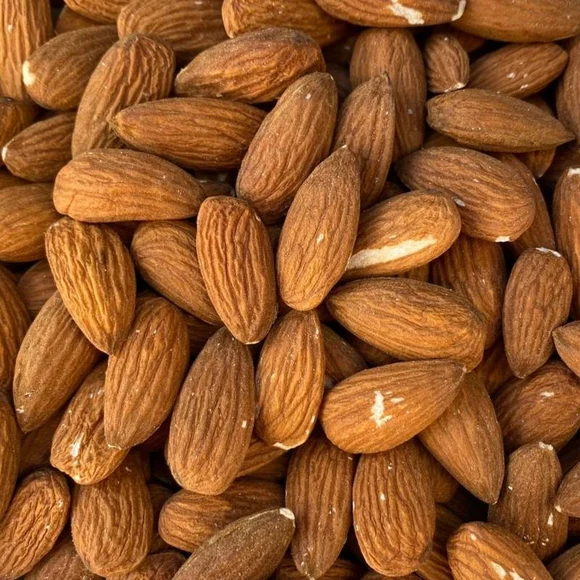
Almond Nuts are premium edible tree nuts valued for their naturally mild, slightly sweet flavor, firm texture, and wide range of culinary and industrial applications. They are commonly consumed as nutritious snacks and used extensively in bakery, confectionery, cereals, granola, desserts, chocolate products, nut mixes, and food manufacturing.
Our almond nuts can be supplied in different commercial forms and grades to meet the requirements of wholesalers, distributors, retailers, food processors, bakeries, confectionery manufacturers, hotels, restaurants, and international importers. Depending on the buyer’s requirements, available forms may include whole almonds, shelled almonds, blanched almonds, sliced almonds, diced almonds, and almond pieces.
Product Specifications
| Specification | Details |
|---|---|
| Product Name | Almond Nuts |
| Botanical Name | Prunus dulcis |
| Product Type | Edible Almond Kernels |
| Form | Whole, shelled, blanched, sliced, diced, or pieces |
| Appearance | Cream to light ivory kernel; natural skin may be brown |
| Flavor | Mild, naturally sweet, characteristic nutty flavor |
| Texture | Firm and crunchy |
| Moisture | According to agreed commercial specification |
| Size | Various commercial sizes and grades |
| Kernel Quality | Whole or processed according to buyer specification |
| Foreign Matter | According to agreed specification |
| Defects | Controlled according to applicable grade |
| Packaging | Bags, cartons, vacuum packs, or bulk packaging |
| Origin | According to supply contract |
| Shelf Life | Subject to product specification and storage conditions |
Specifications may vary according to almond variety, grade, processing method, and destination-market requirements. Final specifications should be confirmed before purchase.
Natural Quality and Flavor
High-quality almonds are characterized by clean kernels, a pleasant natural aroma, firm texture, and a mild nutty flavor. Proper harvesting, drying, sorting, grading, processing, and storage are important for maintaining product quality.
Whole almond kernels are particularly suitable for premium snack markets, while processed forms such as sliced, diced, and chopped almonds provide convenient ingredients for industrial food production.
Available Almond Forms
Whole Almond Nuts
Whole almonds are complete kernels suitable for direct consumption, roasting, seasoning, retail packaging, premium snack products, and food-service applications.
Shelled Almonds
Shelled almonds are supplied without the hard outer shell, making them convenient for food manufacturers, wholesalers, and distributors.
Blanched Almonds
Blanched almonds have their outer brown skin removed. They are commonly used in bakery products, confectionery, almond flour, desserts, sauces, and specialized food formulations.
Sliced Almonds
Sliced almonds are thinly cut and commonly used as toppings and ingredients in cereals, bakery products, desserts, cakes, pastries, and confectionery.
Diced and Chopped Almonds
Diced and chopped almonds are convenient for use in chocolate, granola, snack bars, bakery products, nut mixes, and industrial food manufacturing.
Applications
Almond nuts have extensive applications across the international food industry.
Bakery Products
Almonds can be incorporated into cookies, cakes, pastries, biscuits, muffins, bread, and other baked products. Sliced and chopped almonds can also be used as decorative toppings.
Confectionery
Almonds are widely used in chocolates, pralines, nougat, candy, nut bars, and other confectionery products.
Snack Foods
Whole almonds can be roasted, salted, seasoned, flavored, or combined with other nuts and dried fruits to produce premium snack products.
Cereals and Granola
Almond pieces, slices, and chopped kernels are suitable for breakfast cereals, granola, muesli, trail mixes, and nutritional snack products.
Desserts
Almonds can be incorporated into ice cream, cakes, pastries, puddings, dessert toppings, and other sweet food products.
Almond-Based Products
Almonds can be processed into almond flour, almond meal, almond butter, almond beverages, and other value-added food products.
Food Manufacturing
Food manufacturers can use different almond grades and cuts according to their specific formulation, production process, and finished-product requirements.
Nutritional Profile
Almonds naturally contain plant protein, dietary fiber, fats, vitamins, minerals, and other naturally occurring nutrients. Their nutritional characteristics have made them a popular ingredient in a variety of food products.
They are commonly incorporated into:
- Healthy snack products
- Breakfast cereals
- Granola
- Protein and nutrition-focused foods
- Nut mixes
- Bakery products
- Confectionery
- Plant-based food formulations
Actual nutritional values may vary depending on almond variety, growing conditions, processing, and grade. Product-specific nutritional information can be supplied according to the applicable commercial specification.
Quality Control
Quality control can cover several important characteristics, including:
- Kernel appearance
- Size and grade
- Moisture content
- Flavor and aroma
- Kernel integrity
- Foreign material
- Insect damage
- Defective kernels
- Broken kernels
- Packaging condition
- Microbiological requirements where applicable
Specific inspection, laboratory testing, and quality documentation can be agreed with the buyer before shipment.
Food Safety
Almonds are classified as tree nuts and may cause allergic reactions in susceptible individuals. Appropriate allergen management should therefore be maintained throughout processing, packaging, storage, and distribution.
Almond products should be protected from moisture, pests, contamination, excessive heat, and strong odors. Buyers requiring specific food-safety testing or documentation can establish these requirements before placing an order.
Packaging
Almond nuts can be supplied in packaging suitable for wholesale, food manufacturing, retail repacking, and international transportation.
Available packaging may include:
- 5 kg bags
- 10 kg bags
- 20 kg bags
- 25 kg bags
- Vacuum-packed units
- Cartons
- Bulk commercial packaging
Custom packaging and labeling can be discussed according to the buyer’s requirements, destination market, and applicable regulations.
Storage and Handling
For best quality, almond nuts should be stored in a clean, dry, cool, and well-ventilated environment. Products should be protected from direct sunlight, moisture, pests, and strong odors.
Proper storage and suitable packaging help maintain the almonds’ flavor, texture, freshness, and overall quality throughout their intended shelf life.
Wholesale Supply
Our Almond Nuts are suitable for commercial buyers including:
- Food importers
- Wholesale distributors
- Supermarkets
- Food manufacturers
- Bakeries
- Confectionery companies
- Hotels and restaurants
- Catering businesses
- Snack manufacturers
- Nut and dried-fruit distributors
- Retail repacking companies
Orders can be arranged according to product form, grade, size, quantity, packaging, destination, and required quality specifications.
Why Choose Our Almond Nuts?
- Quality-focused commercial supply
- Multiple almond forms available
- Suitable for food processing
- Suitable for retail and wholesale distribution
- Flexible packaging options
- Bulk quantities available
- Appropriate for international trade
- Specifications agreed according to buyer requirements
- Suitable for bakery, confectionery, snacks, and food manufacturing
Order Almond Nuts in Bulk
Almond Nuts are a versatile and commercially valuable food ingredient with applications ranging from premium snacks to large-scale food manufacturing. Our supply options can accommodate different processing requirements, grades, packaging formats, and wholesale quantities.
Contact our sales team to request current availability, pricing, minimum order quantity, product specifications, packaging options, and shipping arrangements for your destination market.
Related products

Vegetable Oil

Frozen Chicken

Vegetable Oil

Fertilizer

Grains

Grains

Frozen Chicken