
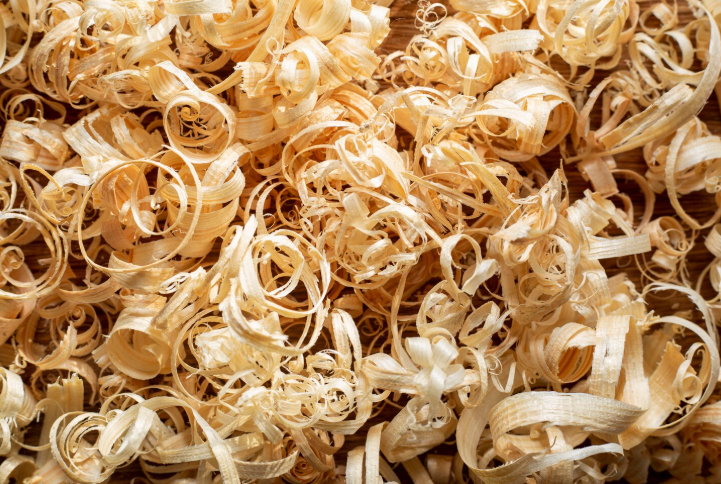


Wood Pulp
Premium Wood Pulp for Paper and Packaging Manufacturing
Wood Pulp is a fibrous material produced by processing wood to separate cellulose fibers from lignin and other components. It is one of the most important raw materials used in the global paper and packaging industry and serves as the foundation for manufacturing printing paper, writing paper, tissue, paperboard, packaging materials, specialty papers, and numerous other cellulose-based products.
We supply wood pulp in commercial grades suitable for paper mills, tissue manufacturers, packaging producers, converters, distributors, and industrial buyers. Depending on the intended application, wood pulp may be supplied as bleached hardwood kraft pulp, bleached softwood kraft pulp, unbleached kraft pulp, dissolving pulp, or other specifications agreed with the buyer.
Product Specifications
| Specification | Details |
|---|---|
| Product Name | Wood Pulp |
| Main Component | Cellulose Fiber |
| Raw Material | Wood |
| Common Types | Hardwood pulp, softwood pulp, kraft pulp, dissolving pulp |
| Form | Sheets, bales, rolls, or other commercial formats |
| Color | Natural brown to bleached white depending on grade |
| Fiber Length | Varies according to wood species and pulp grade |
| Brightness | According to grade and bleaching specification |
| Moisture | According to agreed commercial specification |
| Ash Content | According to product grade |
| Dirt/Impurities | Controlled according to applicable specification |
| Pulping Method | Kraft or other agreed processing method |
| Packaging | Export-standard bales or other agreed packaging |
| Origin | According to supply contract |
| Application | Paper, tissue, board, packaging, specialty products |
Technical parameters vary significantly by pulp type and manufacturer. Final brightness, moisture, fiber characteristics, ash, dirt count, and other specifications should be confirmed before purchase.
What Is Wood Pulp?
Wood pulp consists primarily of cellulose fibers obtained from processed wood. During production, wood is mechanically or chemically processed to separate useful fibers from lignin and other components.
The resulting pulp is then processed according to its intended application. Some grades are bleached to achieve a higher brightness and cleaner appearance, while others remain unbleached for applications where natural brown fibers are preferred.
Main Types of Wood Pulp
Bleached Hardwood Kraft Pulp
Bleached hardwood kraft pulp is produced primarily from hardwood species and is widely used in printing papers, writing papers, tissue, coated papers, and various specialty paper products.
Hardwood fibers are generally shorter than softwood fibers and can contribute to smoothness, formation, and printability.
Bleached Softwood Kraft Pulp
Softwood kraft pulp contains longer fibers that can provide strength and reinforcement in paper manufacturing. It is commonly used in packaging papers, tissue, printing papers, and other products where fiber strength is important.
Unbleached Kraft Pulp
Unbleached kraft pulp retains a natural brown color and is widely used for kraft paper, sacks, bags, corrugated materials, packaging, and other industrial paper products.
Dissolving Wood Pulp
Dissolving pulp is a highly purified cellulose material intended for applications beyond conventional papermaking. It can be used in the production of regenerated cellulose fibers and certain cellulose-based chemical products.
Paper Manufacturing Applications
Wood pulp is the primary fiber source for numerous paper products.
Printing and Writing Paper
Bleached pulp can be used to manufacture office paper, notebooks, writing paper, books, magazines, and printing grades.
Tissue Paper
Selected hardwood and softwood pulps are used in toilet tissue, facial tissue, paper towels, napkins, and other hygiene papers.
Packaging Paper
Unbleached and bleached kraft pulps can be used in paper bags, kraft paper, wrapping materials, sacks, and packaging products.
Corrugated Packaging
Wood pulp fibers are used in the production of paperboard and corrugated packaging components used for shipping and product protection.
Paperboard
Pulp is an important raw material for cartons, folding boxes, packaging board, and other paperboard products.
Specialty Papers
Depending on fiber characteristics and purity, pulp can be incorporated into specialty papers designed for particular industrial, commercial, or technical applications.
Fiber Characteristics
The performance of wood pulp depends on several important fiber properties.
Fiber Length
Fiber length affects strength, formation, drainage, and the performance of finished paper. Softwood pulp generally provides longer fibers, while hardwood pulp generally provides shorter fibers.
Brightness
Brightness is particularly important for many white paper products. Bleached pulp is processed to achieve the brightness level required by the intended application.
Cleanliness
Low levels of dirt and unwanted material are important for producing consistent, high-quality paper.
Strength
Fiber strength and bonding characteristics contribute to the mechanical properties of finished paper and packaging products.
Quality Control
Commercial wood pulp can be evaluated according to a variety of technical parameters, including:
- Brightness
- Moisture
- Fiber length
- Fiber coarseness
- Freeness
- Tensile strength contribution
- Tear strength contribution
- Dirt count
- Ash content
- Extractives
- Bulk
- Formation characteristics
- Sheet appearance
Testing requirements can be established according to the buyer’s production process and the selected pulp grade.
Packaging
Wood pulp is commonly supplied in compressed bales designed for efficient storage, handling, and international transportation.
Packaging may include:
- Standard pulp bales
- Compressed bale units
- Export-wrapped bales
- Palletized units where required
- Customized industrial packaging
The exact bale weight, dimensions, wrapping materials, and loading configuration should be agreed before shipment.
Storage and Handling
Wood pulp should be stored in a clean, dry, and well-ventilated warehouse. Bales should be protected from rain, moisture, excessive humidity, contamination, fire hazards, and physical damage.
Proper storage helps maintain the pulp’s moisture level, cleanliness, fiber quality, and overall suitability for paper manufacturing.
Storage and handling procedures should also account for the compressed nature and weight of pulp bales.
Sustainable Raw Material Considerations
Responsible sourcing is an important consideration for the international pulp and paper industry. Buyers may require information regarding the source of the wood fiber, forest management practices, chain-of-custody documentation, and applicable environmental certifications.
Where required, specific sustainability certifications or documentation should be requested and confirmed for the exact product and supply chain rather than assumed.
Wholesale Wood Pulp Supply
Wood pulp is suitable for commercial buyers including:
- Paper mills
- Tissue manufacturers
- Packaging manufacturers
- Paperboard producers
- Printing-paper manufacturers
- Corrugated packaging companies
- Paper converters
- Industrial distributors
- Commodity importers
- Specialty cellulose manufacturers
Bulk orders can be arranged according to pulp type, grade, brightness, fiber characteristics, packaging, quantity, and destination.
Why Choose Our Wood Pulp?
- Multiple pulp grades available
- Suitable for paper and packaging production
- Hardwood and softwood options
- Bleached and unbleached grades
- Suitable for tissue manufacturing
- Suitable for printing and writing paper
- Suitable for packaging and paperboard
- Export-oriented bale packaging
- Bulk commercial quantities
- Technical specifications agreed before shipment
Order Wood Pulp in Bulk
Wood Pulp is an essential industrial raw material for the global paper, tissue, packaging, and cellulose-products industries. Selecting the appropriate pulp grade is important for achieving the required strength, brightness, smoothness, formation, and production efficiency.
Contact our sales team to request current availability, pricing, minimum order quantity, pulp grade, brightness, technical specifications, bale configuration, packaging details, documentation, and shipping arrangements for your destination market.
Related products

Vegetable Oil

Frozen Chicken

Grains

Sugar

Grains

Grains
Sugar
Fertilizer